

Re-Establish Safety + Resiliency in Your Body.
Safe + sound protocol (SSP)

Be Here Now Mindfulness, LLC Now Offers the Safe and Sound Protocol (SSP) • Remote SSP Provider
The Safe and Sound Protocol, developed by Dr. Stephen Porges, who discovered the Polyvagal Theory, “a theory that links the evolution of the mammalian autonomic nervous system to social behavior and emphasizes the importance of one’s physiological state in the expression of behavioral problems and psychiatric disorders.” Dr. Stephen Porges is a Distinguished University Scientist and author of The Polyvagal Theory. You can read more about Dr. Porges and his impeccable bio here.

The SSP Program:
This is a 5-10 day program (30 to 60 minutes a day), that enhances your therapy, or can be added adjunctly to your treatment plan anywhere. It can also be a solo experience if you are just curious. It is a great way to kick start your nervous system from surviving to thriving. NOW OFFERING FULLY REMOTE SERVICES OF THIS PROGRAM. SSP anywhere, from around the globe! I have now serviced clients from: USA (all over), Canada, Brazil, Netherlands, Ireland, Hungary, United Kingdom and more!
The following information is taken from https://integratedlistening.com Feel free to visit for more detailed information on SSP.
Polyvagal Theory, or the “science of feeling safe,” is another one of the key research advancements that helps us better understand our challenges and gives us a foundational framework for non-invasive ways to support them.
What is the SSP?
Developed by Dr. Stephen Porges, the Safe and Sound Protocol (SSP) is a five-ten day (30-60 minutes a day), auditory intervention designed to reduce stress and auditory sensitivity while enhancing social engagement and resilience. Based on Dr. Porges’ Polyvagal Theory, by calming the physiological and emotional state, the door is opened for improved communication and more successful therapy.
The SSP is a research-based therapy showing significant results in just five to ten days in the following areas:

Imagine If You Could Reduce Symptoms of…
Social and emotional difficulties
Auditory sensitivities
Anxiety
Trauma
PTSD
Inattention / ADD/ADHD
Stress
Social Engagement Difficulties
Depressed Mood + Mood Dysregulation
Misophonia
Motion Sickness
Head Concussion
Trauma from Medical Procedures
Emotional Regulation Difficulties
Want to Learn More?
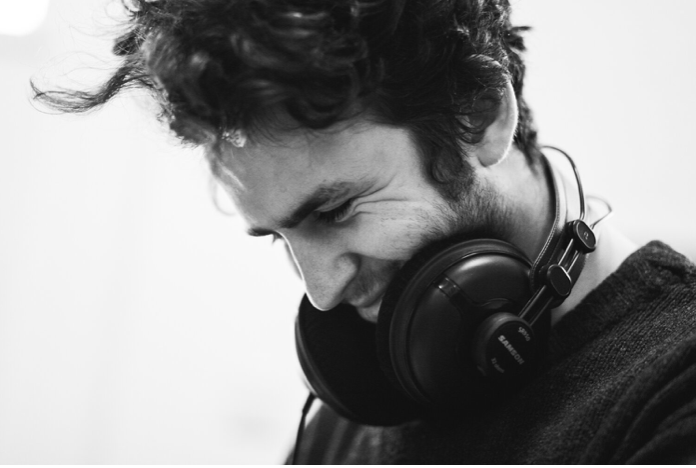
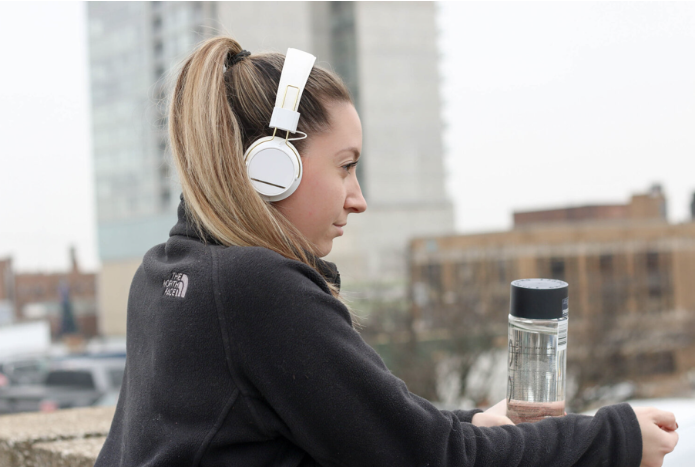
Emotional and Physiological States are Important Aspects of Our Lives
Emotional and physiological states are critical to how we approach tasks at hand, our relationships, and how we interact and engage with our everyday life. So when a client has better state control, not only can they be more socially engaged, they are more open to therapy. Better state regulation improves therapeutic outcomes. Read more about how the SSP is helping clients.
This non-invasive intervention involves listening to music that has been processed specifically to retune the nervous system (regulating state) to introduce a sense of safety and the ability to socially engage. This allows the client to better interpret not only human speech, but, importantly, the emotional meaning of language. Once interpersonal interactions improve, spontaneous social behaviors and an enhanced ability to learn, self-regulate and engage are often seen.
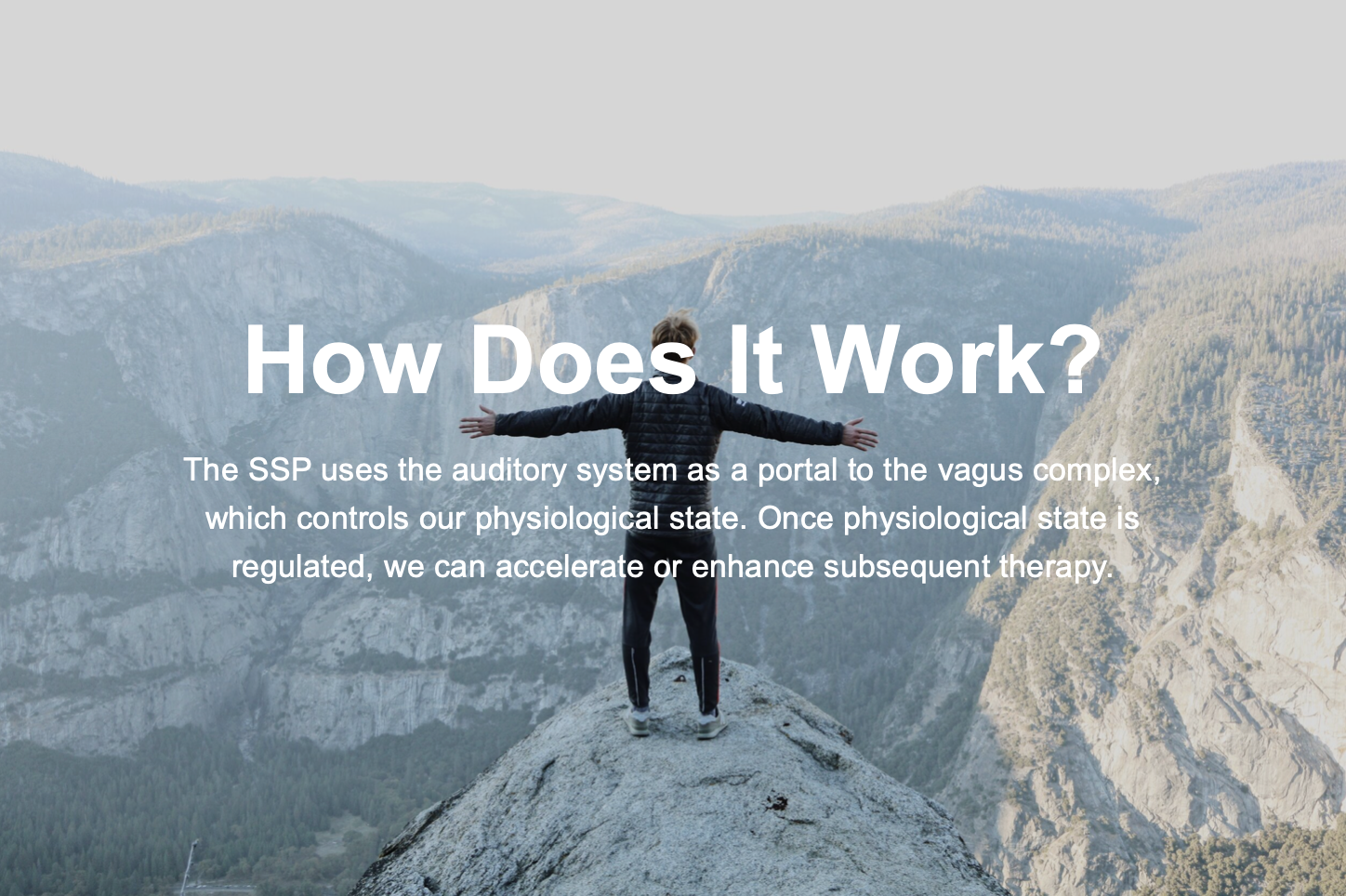

Based on Dr. Porges’ Polyvagal Theory —
—the program is derived from nearly four decades of research on the relationship between the autonomic nervous system and social-emotional processes.
It is designed to stimulate nervous system regulation by exercising and systematically challenging the auditory system with specifically processed music.
The music trains the auditory pathways by focusing on the frequency envelope of human speech. As the client learns to process these speech-related frequencies, they improve the functioning of two cranial nerves that are important for promoting overall social behavior. Cranial Nerve VII (Facial Nerve) helps clients focus on human voice and tune out irrelevant frequencies. Cranial Nerve X (Vagus Nerve) enables self-soothing and autonomic regulation.
Following successful completion of the intervention, individuals will be better able to focus in school, work, therapy, and everyday life and experience a calmed emotional and physiological state. This is based on studies that suggest that skills such as attention, state regulation and the ability to engage socially will be enhanced.
Research
One
The SSP increased vagal regulation of the heart and normalized auditory processing in children with ASD. (Read here.)
Three
Using the SSP with children who have experienced trauma. Funded by the Australian Childhood Foundation. (Read here.)
Four
Assessing the effects of the SSP on behavioral regulation in children and adults with ADD/ADHD. In cooperation with: ADD Centre and Biofeedback Institute of Toronto. (Read here.)
Five
Assessing the effects of the SSP on improvement of social and regulation behaviors in individuals with PWS. In addition, a new methodology for collecting and evaluating vocal samples for analyses of prosody will be assessed. (Read here.)
Six
Determining if the SSP can decrease the atypical features of the Social Engagement System in adolescents and young adults with Prader Willi Syndrome. In cooperation with the Latham Centers School in Brewster, Massachusetts. (Read here.)
Seven
Examining the effects of the SSP on chronic pain in older adults. In cooperation with the Meadowood Retirement Community in Bloomington, Indiana. (Read here.)
Get Started With SSP Today
FAQs
Remote SSP Core program includes:
Link to access listening device remotely on your device of choosing (smart phone or computer + earphones, ear buds, or headphones. *Required and supplied by you.)
Intake Questionnaire + Stress Assessment
Secure end to end encrypted account with access to your personal dashboard to record progress
Daily log in sheets to record your discoveries
1-2 video monitoring 30 minute sessions
Access to me via text, phone, e-mail or Zoom as needed during your 5-10 day protocol
One half hour post follow-up session via phone consultation or Zoom to process your experience
Begin Your SSP Safe + Sound Protocol Today!
Contact Me
Click on the button "Contact Me here To Begin" Above or Head to Contact in Main Menu.
Within 1-2 Business Days I will reach out and connect with you and we will schedule a brief intake call via phone or Zoom.
the Short SSP Intake Questionnaire
If you would like to get a head start, go ahead and complete the short SSP Intake Questionnaire below.
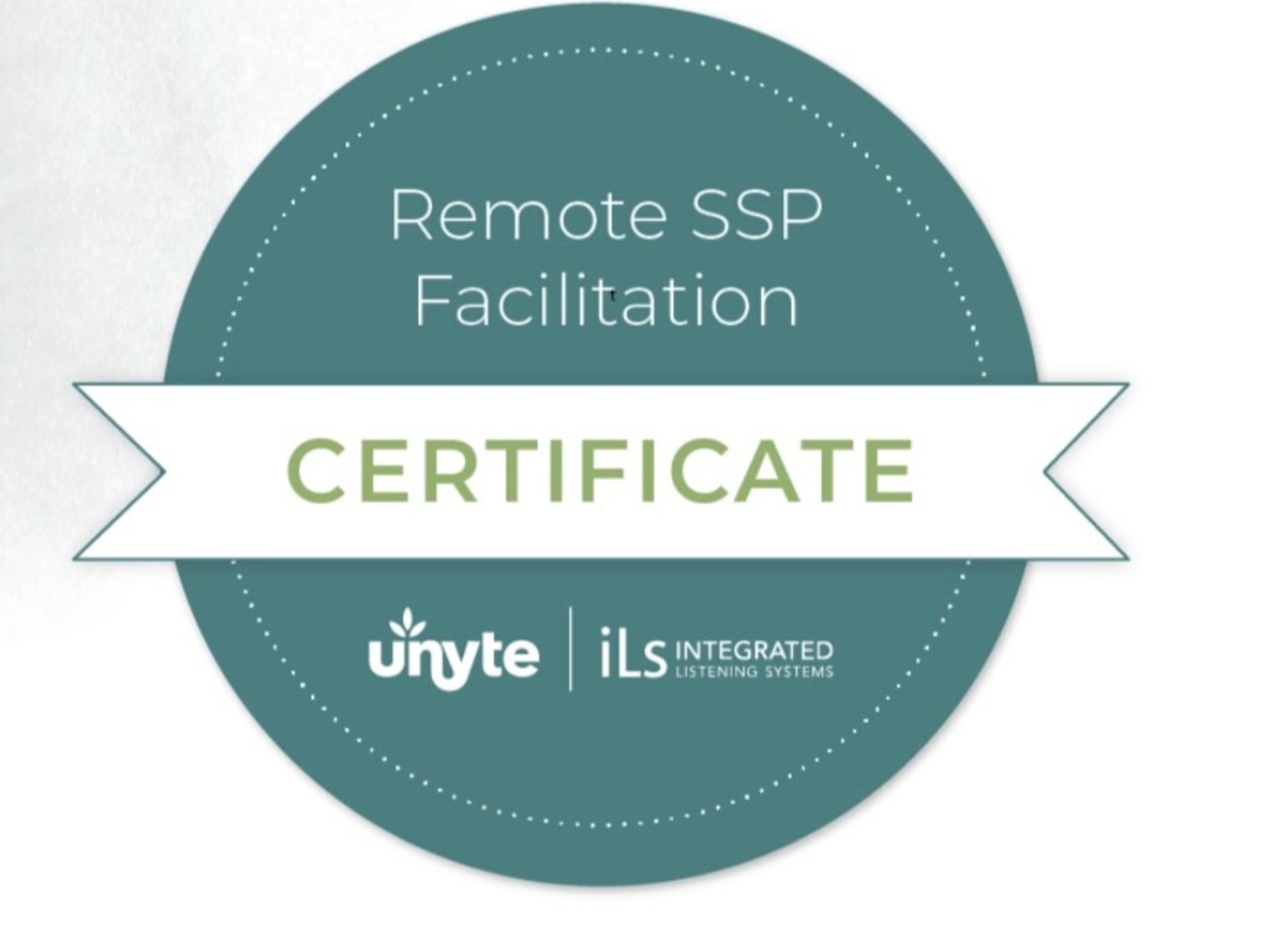
As a certified remote SSP Practitioner, at this time I am only delivering the SSP Safe + Sound Protocol online via remote service.
Watch this brief video describing the SSP Programs.
Introducing the NEW! Pathways of SSP. Watch this short video to learn about SSP Connect, SSP Core, and SSP Balance Programs.
Read the FAQs
What headphones can I use?
Any headphones or ear buds that you already have should do the trick. Make sure your noise cancellation feature is turned off when listening to the program.
Can I listen through speakers?
No. The SSP is designed to work the tiniest muscles in your ear. They are connected to your vagus nerve. In order for the listening to be effective, a controlled environment rid of ambient sound is best.
Can I engage in activities while listening?
Yes. Light activities are welcomed and fine. Examples would be walking, being out in nature, folding the laundry, completing a puzzle, knitting, coloring, etc. Please do not engage in any strenuous or stressful activities that might up-regulate your nervous system, i.e. heavy exercise, video gaming, driving, scrolling on social media, reading news.
What time of day should I be listening?
This really depends on your unique nervous system. It is not recommended to listen however, just before bed or during late evening hours. This is not meant as a relaxation/meditation before sleeping. It is designed to enhance your social engagement system not your parasympathetic response.
What if I can’t complete the program in 5-days?
No problem. Some opt for listening for 5 days ( 1 hour a day). Others opt for listening for 10 days (30minutes a day). We can construct a program that fits with your lifestyle. If you get interrupted during your listening segment, i.e. the doorbell rings, simply pause your program and then return to it as soon as you can.
What if I set the volume control but can’t hear the music?
First check to see if your noise cancellation feature is turned off. Then simply re-set your volume to a comfortable listening volume. Although we aim to set the volume at a control level throughout your entire program, you can make small adjustments to the volume as needed.